ABET Program Evaluator (PEV)
Service as an ABET Program Evaluator reflects sustained engagement with engineering program review, student outcomes, continuous improvement, and accreditation quality culture.
Professor of Electrical Engineering, ABET Program Evaluator, Stanford/Elsevier top 2% scientist recognition holder, and education innovator working at the intersection of sustainable energy systems, engineering education, free knowledge sharing, and the future of human thinking in an AI-enabled world.

Three pillars define this professional identity: internationally visible engineering research, quality-assurance service through program accreditation, and a commitment to open educational access.
Service as an ABET Program Evaluator reflects sustained engagement with engineering program review, student outcomes, continuous improvement, and accreditation quality culture.
Public sources report that Adel Gastli has been recognized in Stanford University-related top 2% scientist listings. Qatar University recognition was also reported by Gulf Times, while the official Stanford/Elsevier database explains the citation-indicator methodology.
Digital materials for several electrical-engineering courses have been developed and made publicly available through YouTube, expressing a clear belief that high-quality knowledge should be accessible beyond classroom boundaries.
My work connects rigorous electrical engineering scholarship with clean-energy transformation, quality assurance, open learning, and responsible AI-era education.
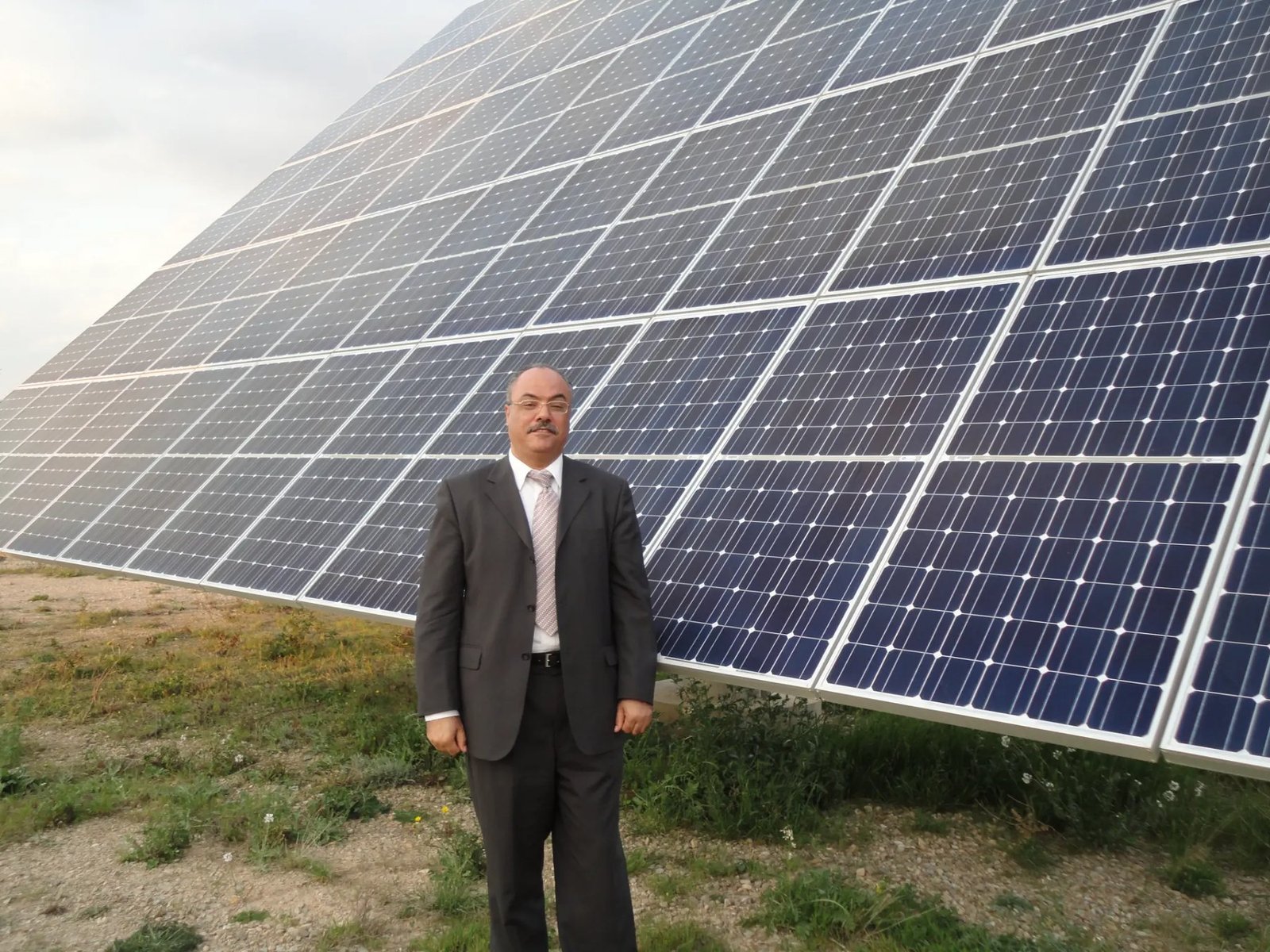
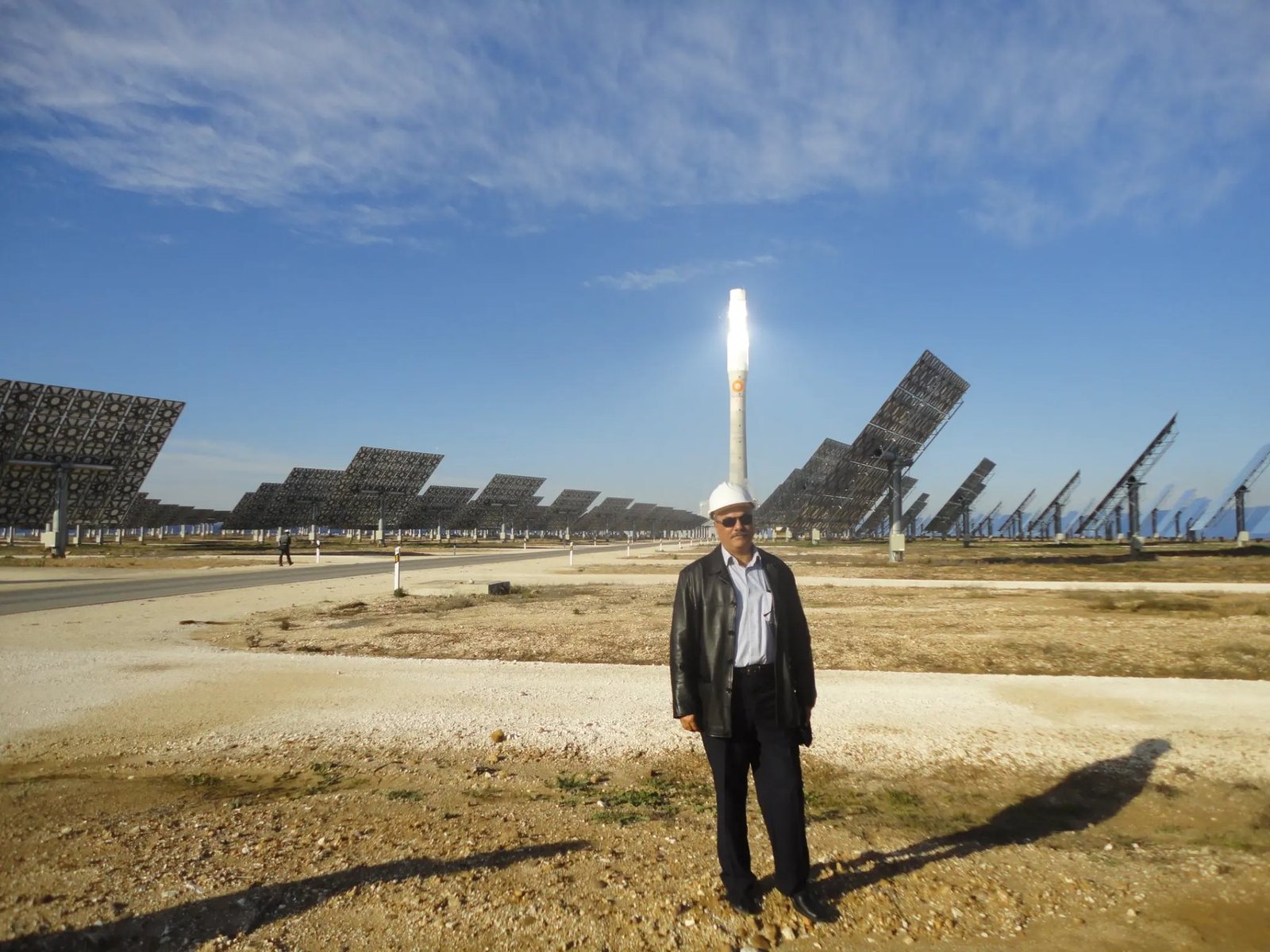
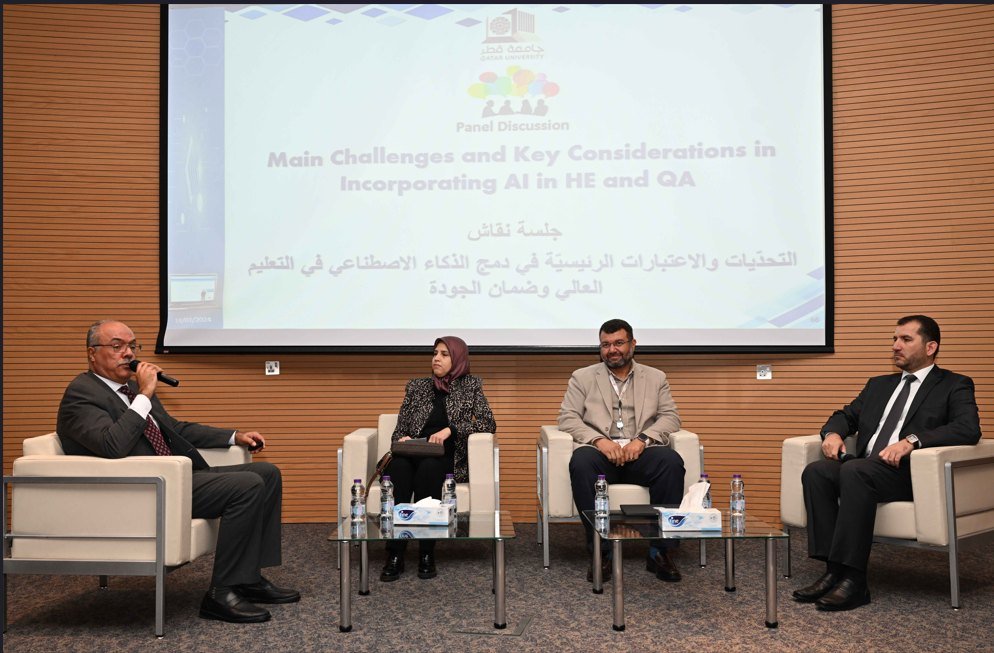
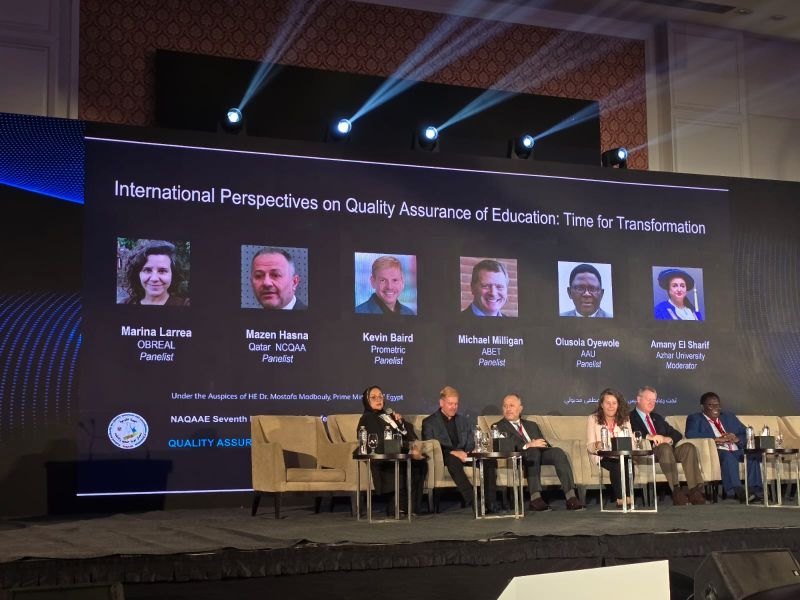
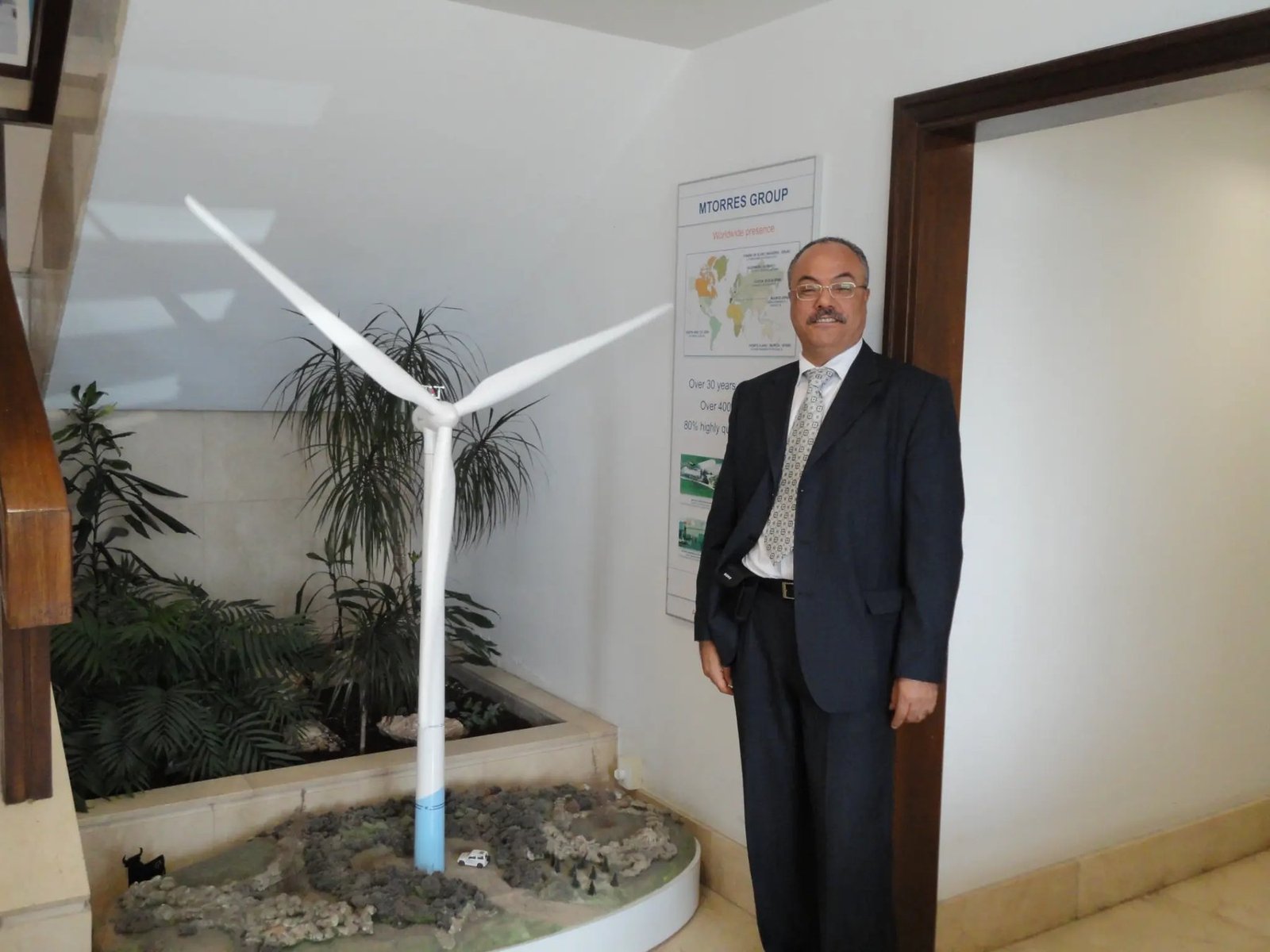
Selected photographs connect the portfolio narrative to renewable-energy site visits, quality-assurance leadership, and international professional participation.
The AI education white paper examines how schools and universities can use artificial intelligence without weakening the cognitive, social, and ethical capacities that education is meant to cultivate.
Learning should preserve effort, reflection, and productive struggle rather than outsourcing thinking too early.
AI use should vary across childhood, adolescence, higher education, and professional formation.
The goal is not to reject AI, but to position it as a tool that strengthens judgment, creativity, and responsibility.
My professional journey connects research, teaching, leadership, and institutional development across Qatar, Oman, Japan, and Tunisia. This website brings together my biography, research interests, public teaching videos, selected projects, and current reflections on engineering education and AI.
The site will host and organize educational videos, engineering learning resources, and selected professional materials so students, colleagues, and collaborators can access them through a clean, modern interface.
Explore Teaching VideosI welcome professional collaboration around sustainable energy systems, engineering education quality, academic leadership, and the responsible integration of AI into learning environments.
Professional Engagements
Selected field visits, quality-assurance events, and public academic participation connecting engineering research with institutional development and AI-era education.
Photo Stories
These photographs document selected public-facing moments from renewable-energy engagement and quality-assurance participation.
Themes
Site visits and professional exposure to solar PV, concentrated solar power, and wind-energy technology connect research themes to practical deployment.
Quality-assurance forums and international panels support dialogue about evidence, assessment, program quality, and institutional improvement.
AI-era education requires universities to preserve human judgment, verification, and professional accountability while adopting useful tools.
Contact
Professional communication is welcome for academic collaboration, research, invited talks, workshops, quality assurance, accreditation, and responsible AI in education.
Professional Inquiries
For academic collaboration, invited talks, workshops, consulting, program review, or education-focused events, please include the purpose of the inquiry, institutional affiliation, proposed timeline, and any relevant links or attachments.
Doha, Qatar, with international academic and professional engagement.
Energy efficiency, renewable energy, smart grids, electric vehicles, engineering education, quality assurance, accreditation, and AI in education.
Research exchange, project discussion, technical seminars, publication-related collaboration, and clean-energy or engineering-education initiatives.
Invited talks, workshops, program review, accreditation-related discussion, AI in higher education, and outcomes-based quality culture.
White Paper
A developmental framework for using artificial intelligence in education without weakening human thinking, ethical judgment, and learner agency.
Core Argument
The white paper argues that AI should not be used in the same way across all stages of learning. Its role should evolve according to the learner’s cognitive, emotional, social, and professional maturity.
AI should remain mainly in the background, supporting teachers and parents as they create richer human-to-human learning interactions.
AI can personalize practice and feedback, but it must include guardrails that preserve reasoning, explanation, and productive struggle.
Students should learn to critique, verify, document, and defend AI-supported work in authentic professional and disciplinary contexts.
Central Principle
AI should not make learning frictionless. Good education uses AI to remove unnecessary barriers while preserving the intellectual effort through which learners build judgment, understanding, and agency.
Developmental Pathway
Young children need embodied interaction, language-rich relationships, play, and adult mediation more than direct AI companionship.
AI can help teachers differentiate practice and feedback while requiring students to explain their reasoning and confront misunderstanding.
University students should learn how to use AI ethically, verify outputs, disclose assistance, and maintain professional accountability.
The videos below introduce the white paper’s themes and the broader question of how education should adapt to generative AI.
Page 1 of 2