ABET Program Evaluator (PEV)
Service as an ABET Program Evaluator reflects sustained engagement with engineering program review, student outcomes, continuous improvement, and accreditation quality culture.
Professor of Electrical Engineering, ABET Program Evaluator, Stanford/Elsevier top 2% scientist recognition holder, and education innovator working at the intersection of sustainable energy systems, engineering education, free knowledge sharing, and the future of human thinking in an AI-enabled world.
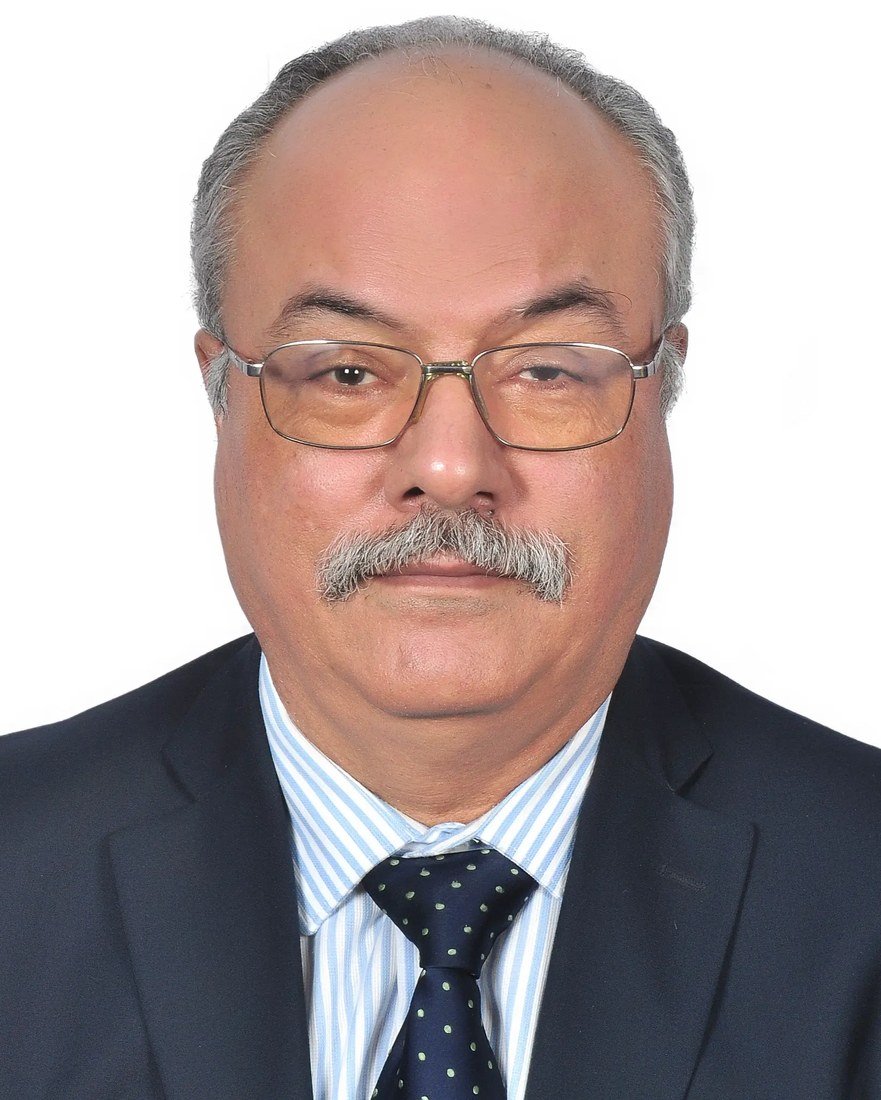
Three pillars define this professional identity: internationally visible engineering research, quality-assurance service through program accreditation, and a commitment to open educational access.
Service as an ABET Program Evaluator reflects sustained engagement with engineering program review, student outcomes, continuous improvement, and accreditation quality culture.
Public sources report that Adel Gastli has been recognized in Stanford University-related top 2% scientist listings. Qatar University recognition was also reported by Gulf Times, while the official Stanford/Elsevier database explains the citation-indicator methodology.
Digital materials for several electrical-engineering courses have been developed and made publicly available through YouTube, expressing a clear belief that high-quality knowledge should be accessible beyond classroom boundaries.
My work connects rigorous electrical engineering scholarship with clean-energy transformation, quality assurance, open learning, and responsible AI-era education.
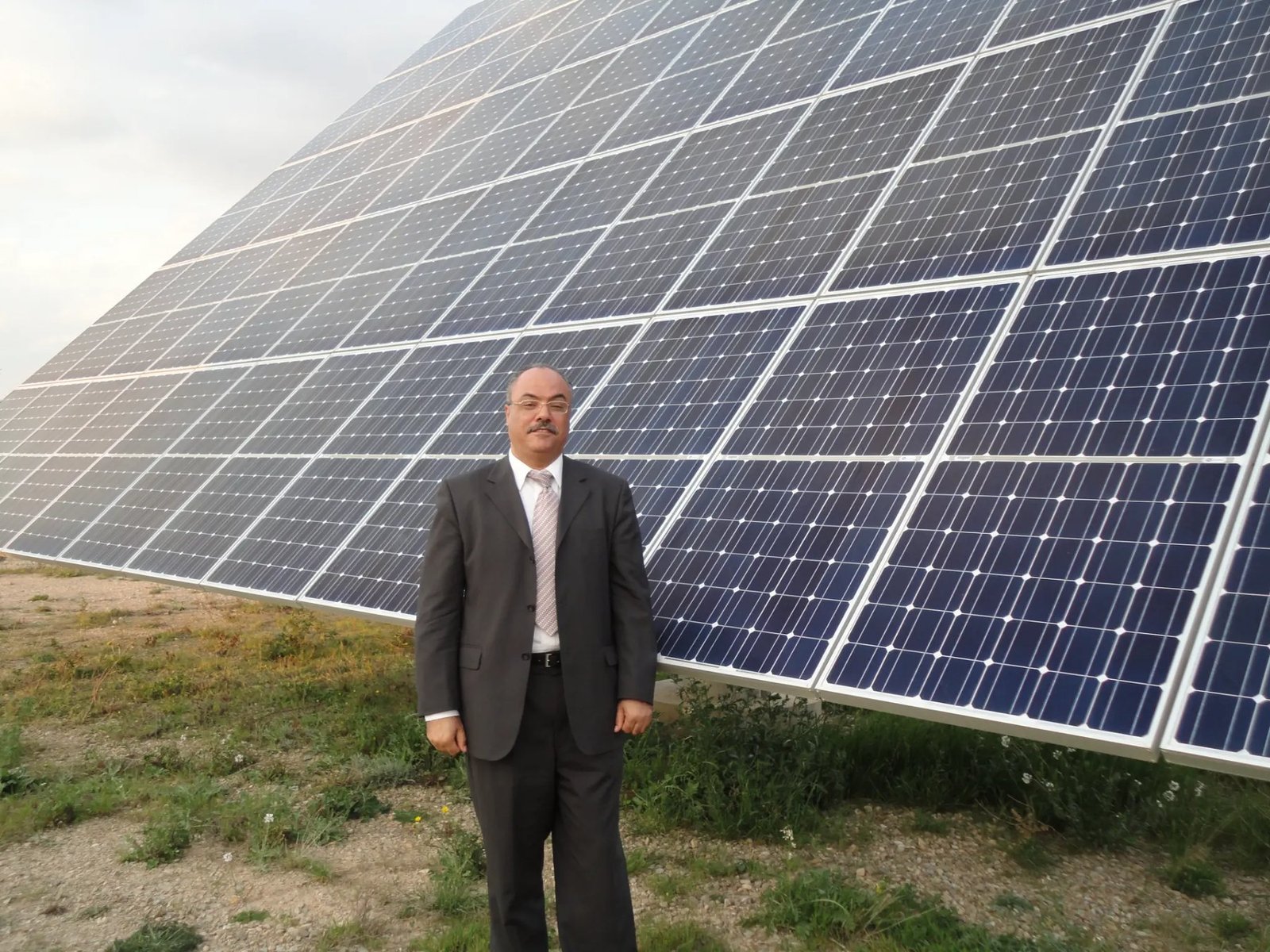
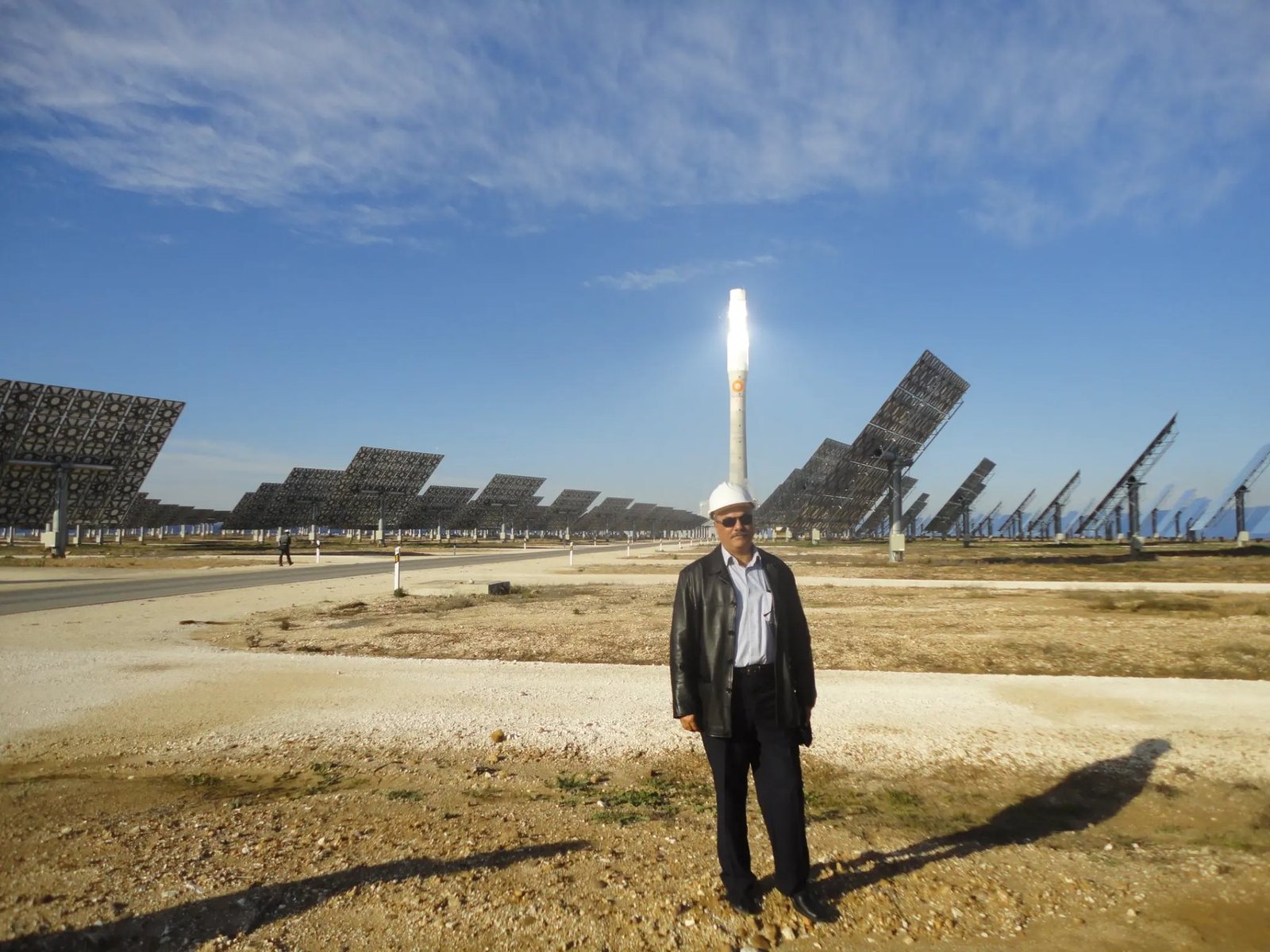
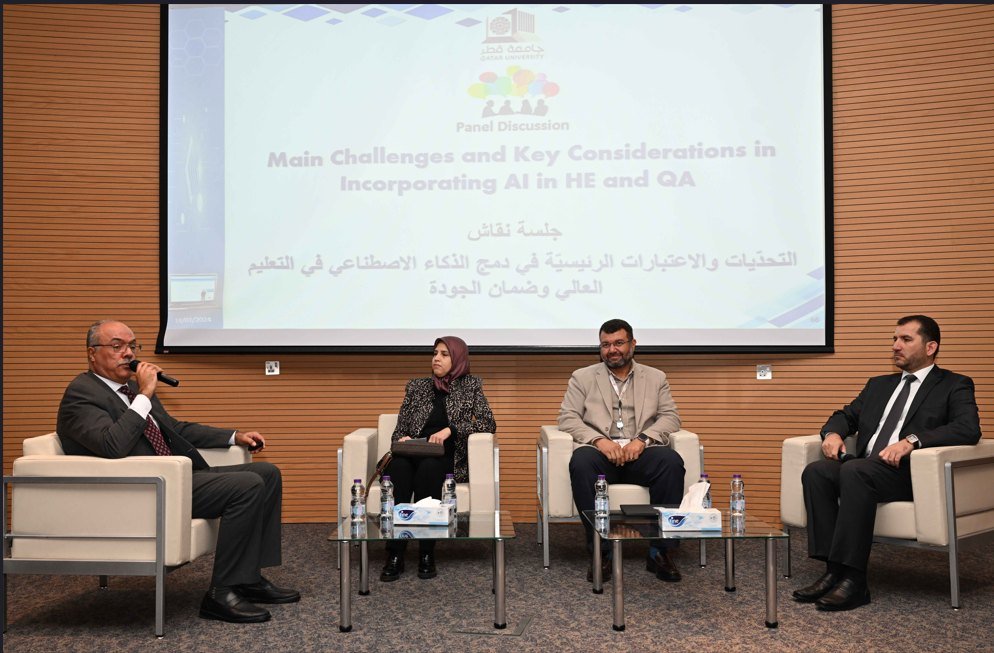
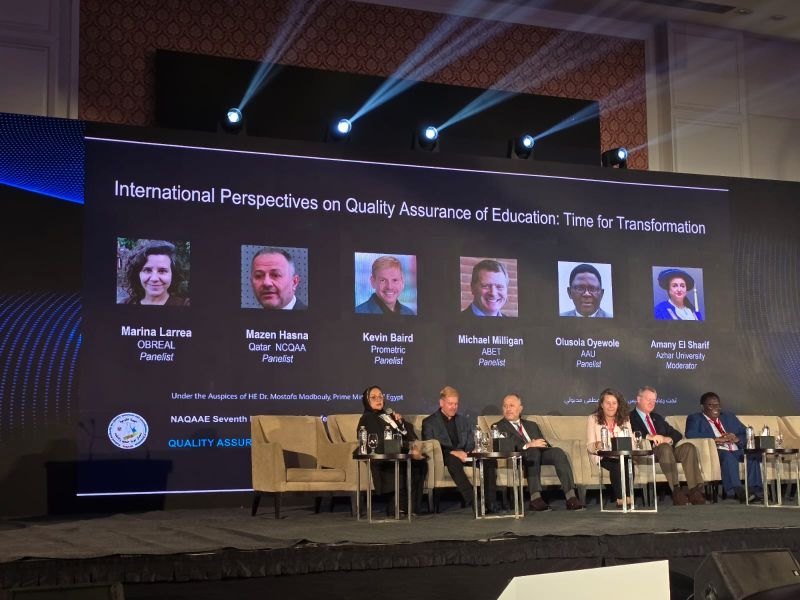
Selected photographs connect the portfolio narrative to renewable-energy site visits, quality-assurance leadership, and international professional participation.
The AI education white paper examines how schools and universities can use artificial intelligence without weakening the cognitive, social, and ethical capacities that education is meant to cultivate.
Learning should preserve effort, reflection, and productive struggle rather than outsourcing thinking too early.
AI use should vary across childhood, adolescence, higher education, and professional formation.
The goal is not to reject AI, but to position it as a tool that strengthens judgment, creativity, and responsibility.
My professional journey connects research, teaching, leadership, and institutional development across Qatar, Oman, Japan, and Tunisia. This website brings together my biography, research interests, public teaching videos, selected projects, and current reflections on engineering education and AI.
The site will host and organize educational videos, engineering learning resources, and selected professional materials so students, colleagues, and collaborators can access them through a clean, modern interface.
Explore Teaching VideosI welcome professional collaboration around sustainable energy systems, engineering education quality, academic leadership, and the responsible integration of AI into learning environments.