Energy efficiency
Work on energy efficiency connects engineering design, industrial practice, systems optimization, and sustainability-oriented decision-making.
Research Themes
Sustainable electrical energy systems, smart infrastructure, power conversion, and education systems that prepare engineers for technological change.
Core Areas
The research profile is centered on the energy transition and on the electrical infrastructure, conversion technologies, and educational systems required to support it.
Work on energy efficiency connects engineering design, industrial practice, systems optimization, and sustainability-oriented decision-making.
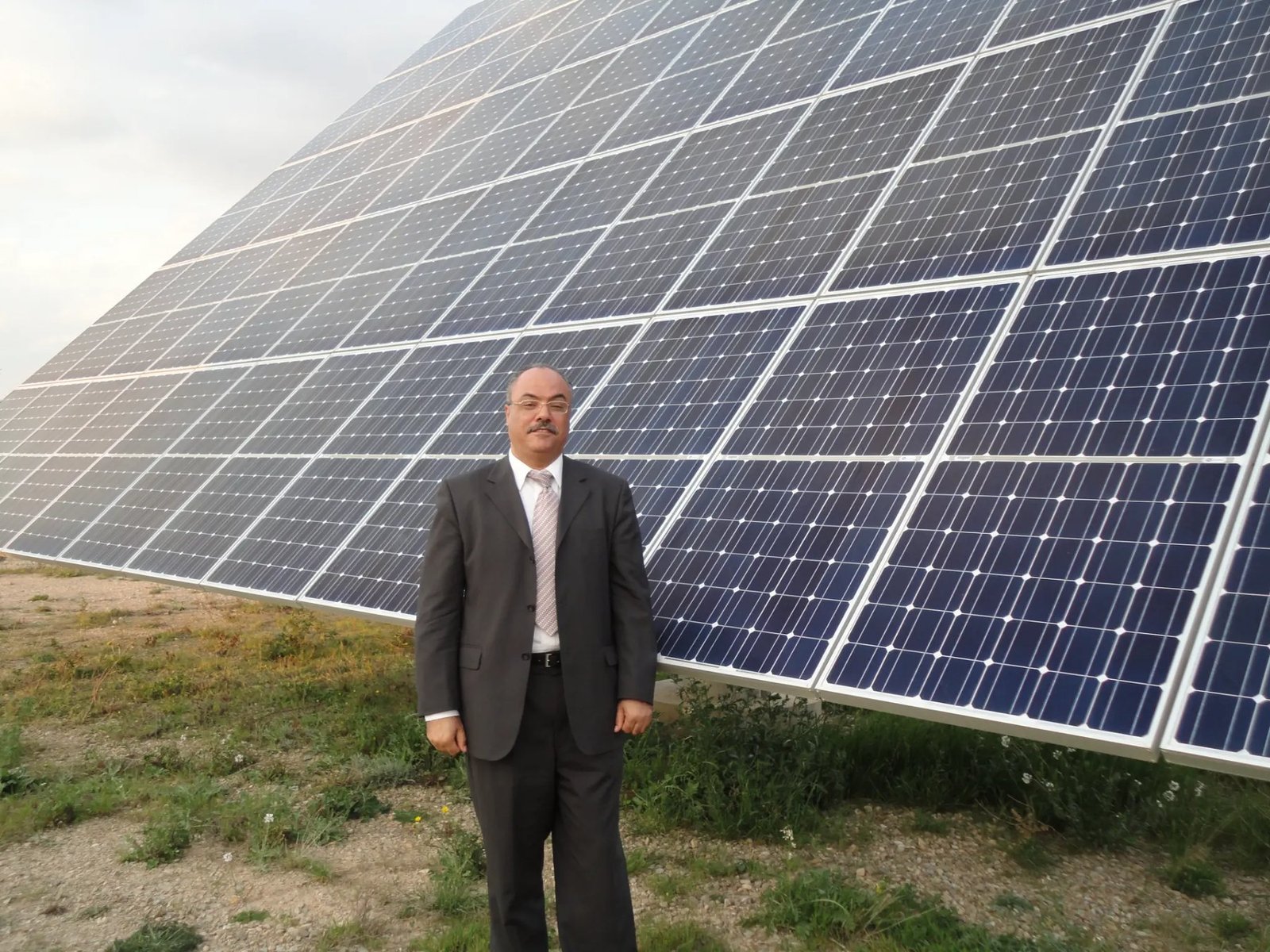
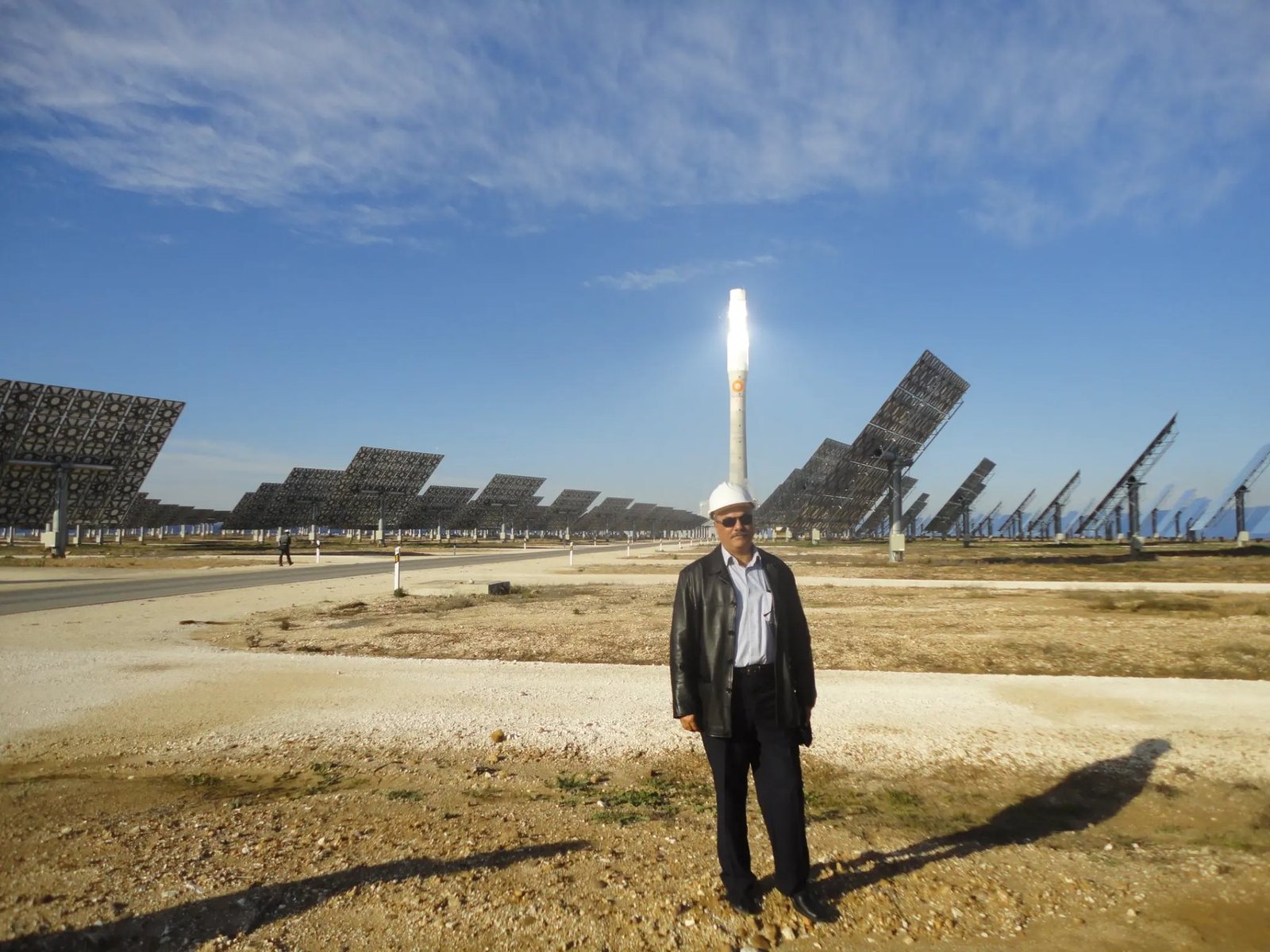
Renewable-energy interests include solar photovoltaic systems, practical deployment, performance assessment, reliability, and grid integration.
EVs and smart grids bring together power electronics, storage, communication, control, demand response, and modernized infrastructure.
Power electronics and drives are enabling technologies for renewable interfaces, industrial systems, transportation electrification, and efficient energy conversion.
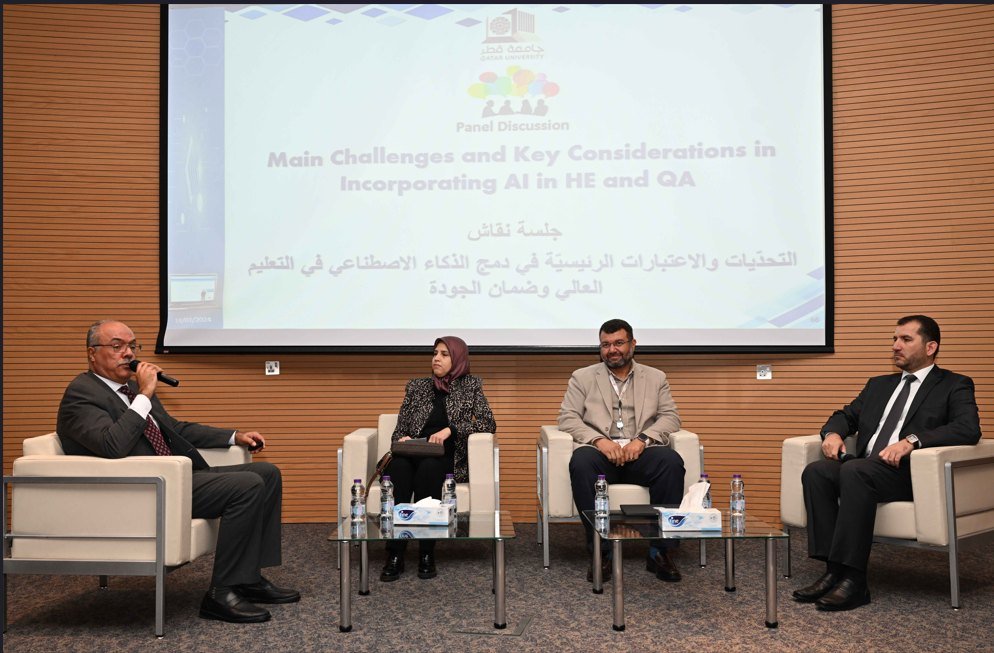
Quality assurance, assessment, accreditation, and AI-era pedagogy are treated as essential components of sustainable engineering education.
Recent thought leadership examines how AI can support learning while protecting reasoning, verification, ethical judgment, and human agency.
Renewable Energy Sites
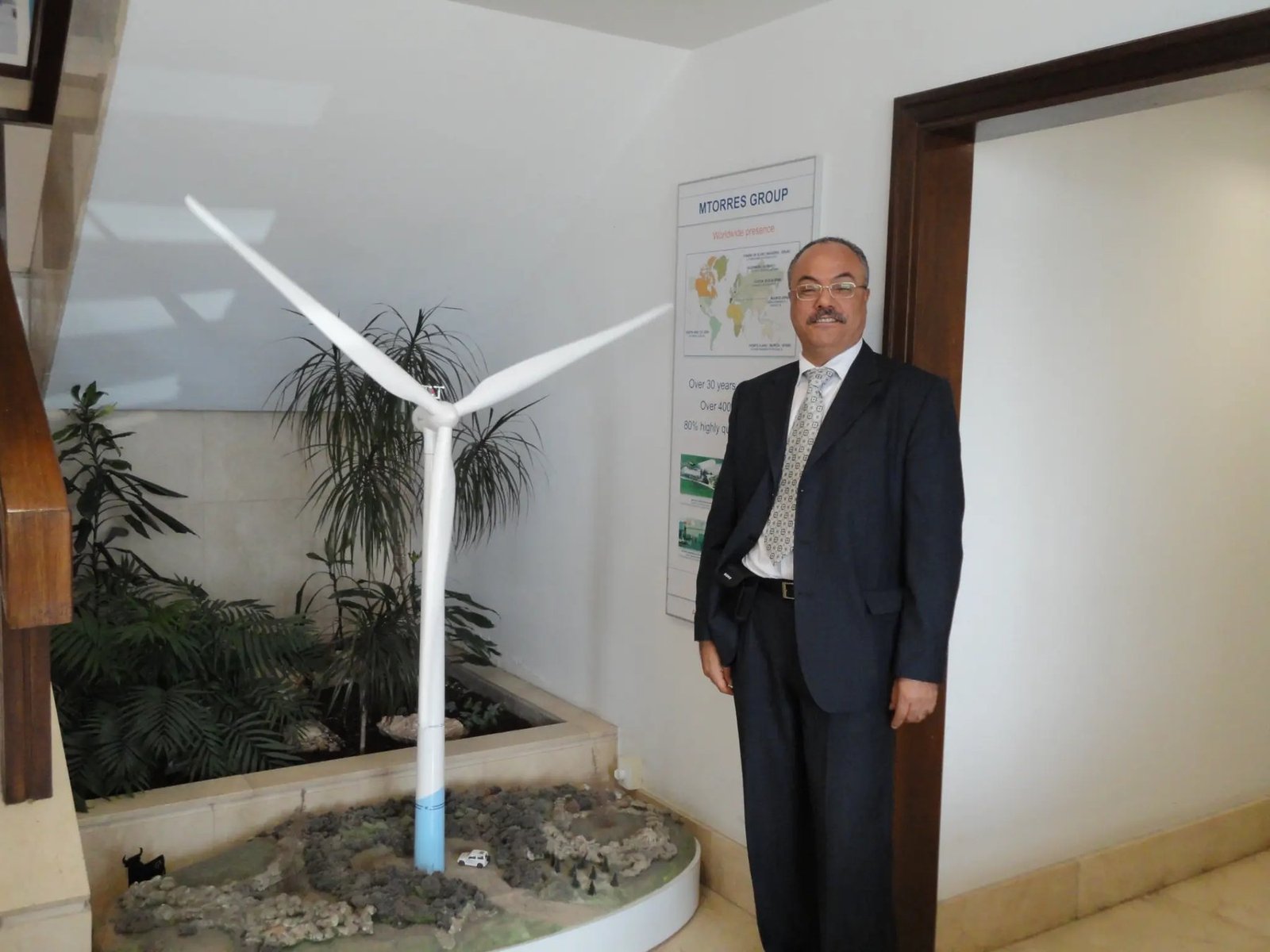
These field images illustrate professional engagement with deployed clean-energy infrastructure and technology demonstration environments.
Research Identity
Clean energy, smart infrastructure, and responsible AI-era education are connected by a common requirement: disciplined human judgment supported by evidence, not replaced by technology.