Magnetic circuits
Introductory sequence covering magnetic-circuit concepts that support later electrical-machine analysis.
Teaching Video Library
A public learning library organized around free knowledge sharing, electrical-engineering foundations, and responsible education in the AI era.
This featured video set supports the white paper section and explores how education can respond to generative AI while preserving reasoning, ethical judgment, human agency, and professional discernment.
Electrical Machines
The Electrical Machines sequence is organized by foundations and machine families, helping learners revisit concepts in a structured way.
Introductory sequence covering magnetic-circuit concepts that support later electrical-machine analysis.
Lessons on transformer principles, equivalent circuits, performance, and applications.
Conceptual and analytical foundations for DC machine operation and applications.
Induction-machine operation, equivalent models, torque-speed behavior, and performance concepts.
Synchronous-machine fundamentals and their role in power systems and generation.
Separate public learning sequence covering electrical power distribution topics.
Teaching Philosophy
Free access is most valuable when it helps learners practice reasoning, revisit difficult concepts, and build durable engineering understanding.
Academic Work
A curated gateway to dynamic publication profiles, selected public project information, and research recognition sources.
Publication Profiles
Because indexing systems update at different times and use different coverage rules, the most reliable way to review current publications is through the external scholarly profiles below.
Qatar Greener Schools Initiative is a public Qatar University project example connected with energy management, Internet of Things applications, security and privacy considerations, and energy-saving awareness in schools.
Recognition
Public sources report Adel Gastli’s recognition in connection with Stanford University and Elsevier science-wide citation indicators. This website presents that recognition as a research-visibility credential and links to source material for verification and context.
Gulf Times reported that Qatar University honored distinguished scientists included among the top 2% of scientists in the world.
The Elsevier Data Repository hosts the public science-wide author databases connected with standardized citation indicators.
The PLOS Biology methodology article explains the standardized citation indicators used for science-wide databases.
Research Themes
Sustainable electrical energy systems, smart infrastructure, power conversion, and education systems that prepare engineers for technological change.
Core Areas
The research profile is centered on the energy transition and on the electrical infrastructure, conversion technologies, and educational systems required to support it.
Work on energy efficiency connects engineering design, industrial practice, systems optimization, and sustainability-oriented decision-making.
Renewable-energy interests include solar photovoltaic systems, practical deployment, performance assessment, reliability, and grid integration.
EVs and smart grids bring together power electronics, storage, communication, control, demand response, and modernized infrastructure.
Power electronics and drives are enabling technologies for renewable interfaces, industrial systems, transportation electrification, and efficient energy conversion.
Quality assurance, assessment, accreditation, and AI-era pedagogy are treated as essential components of sustainable engineering education.
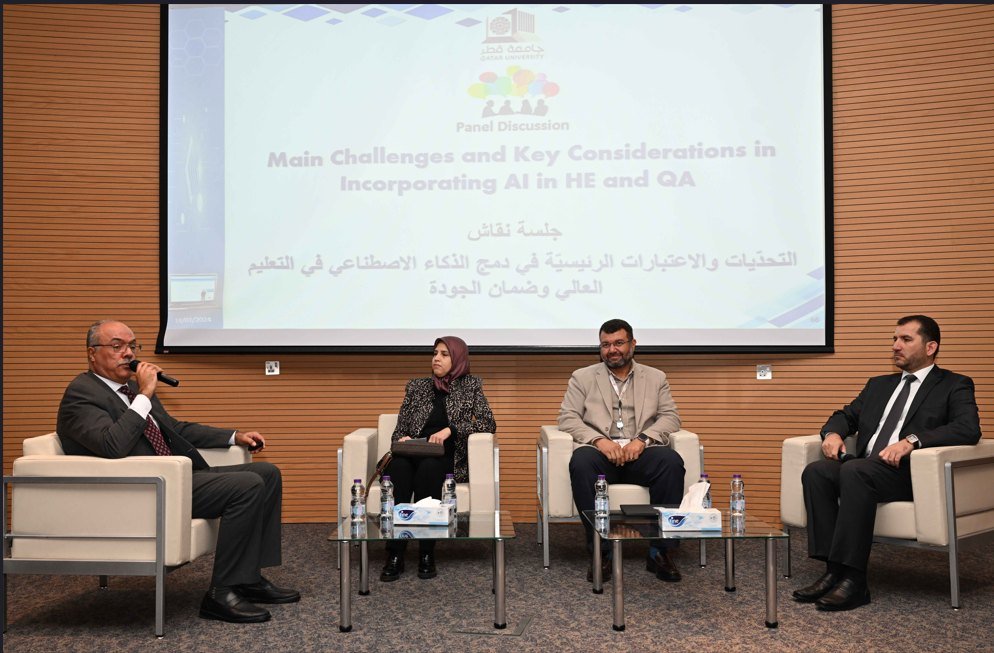
Recent thought leadership examines how AI can support learning while protecting reasoning, verification, ethical judgment, and human agency.
Renewable Energy Sites
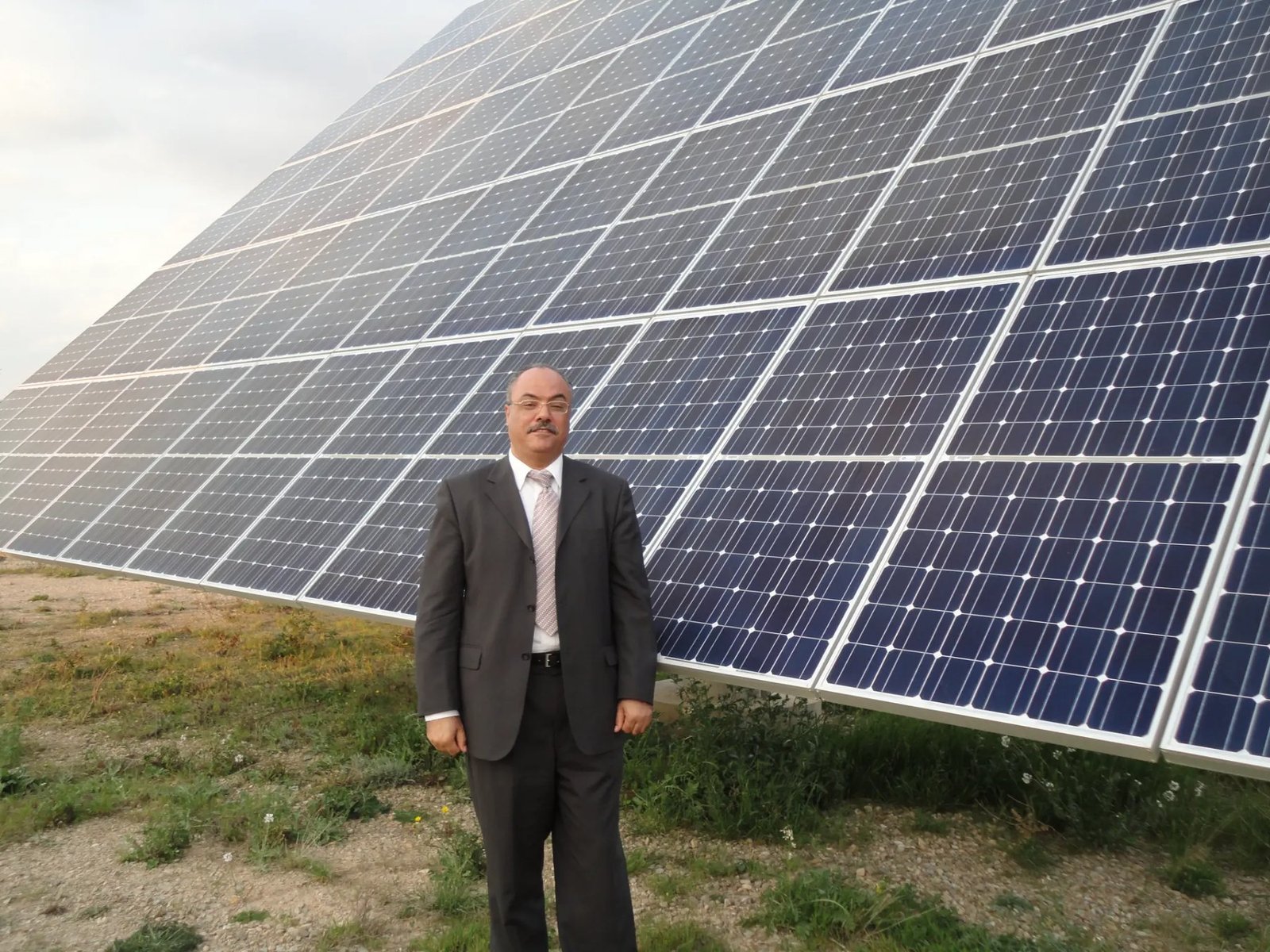
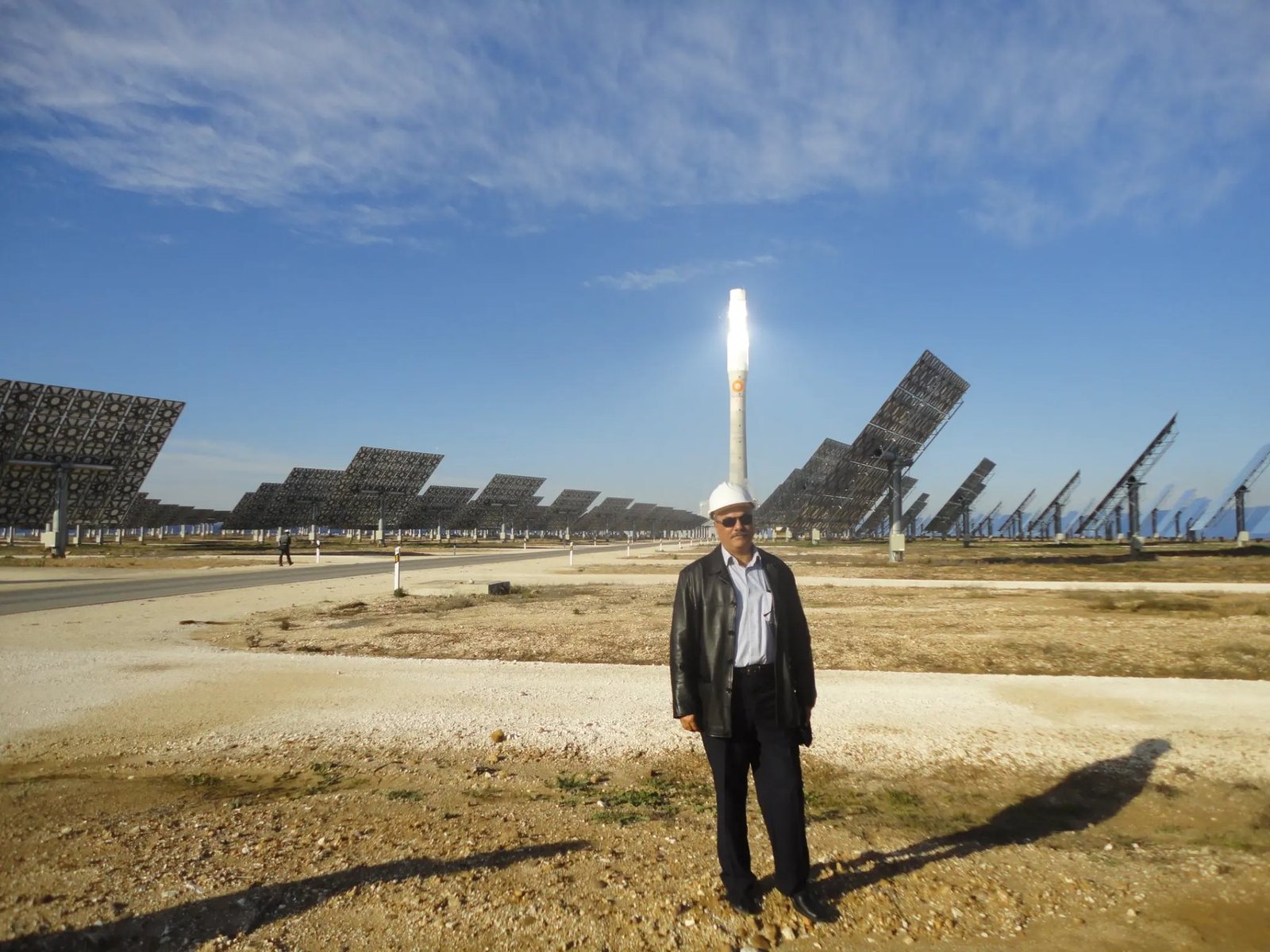
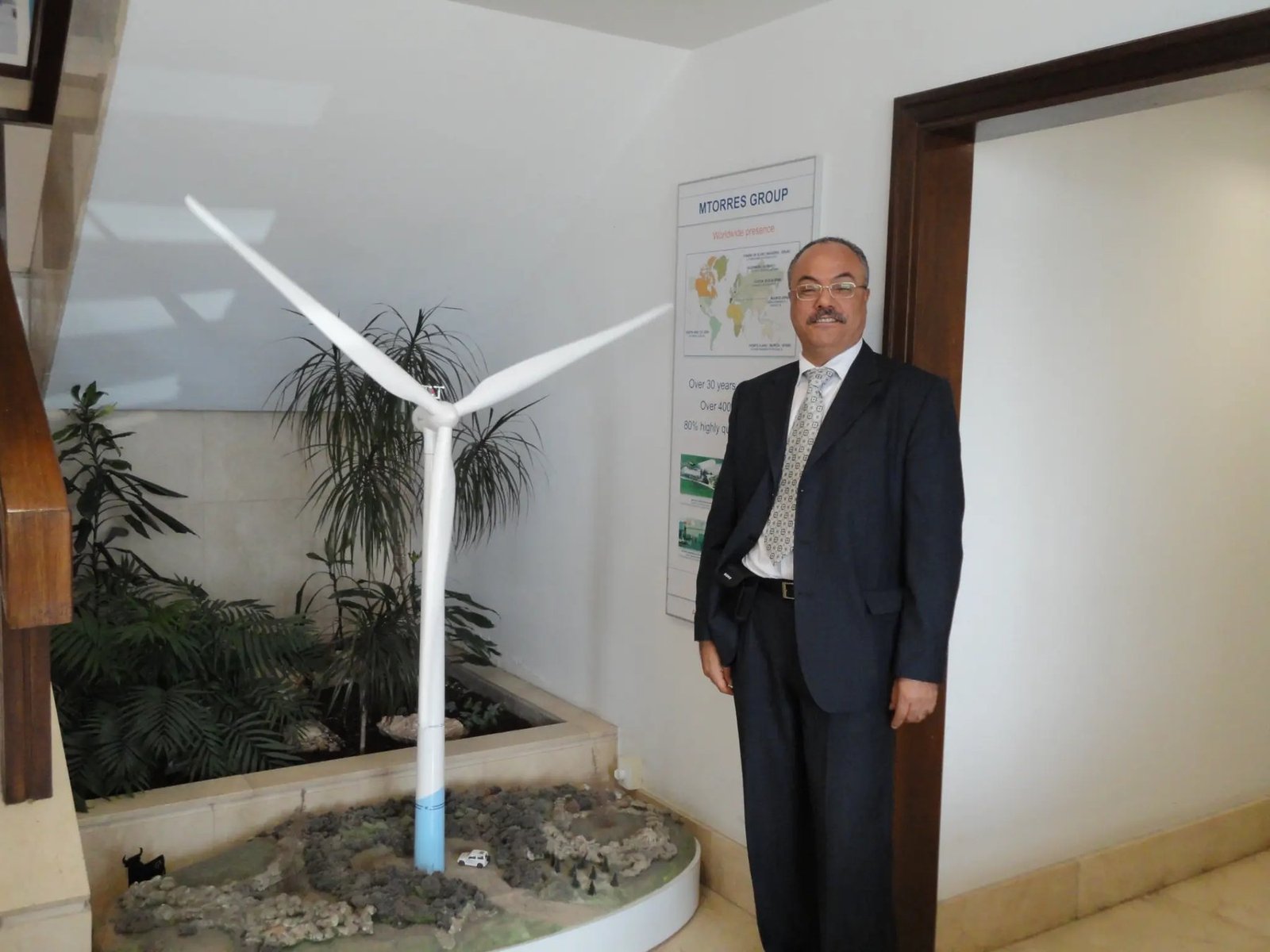
These field images illustrate professional engagement with deployed clean-energy infrastructure and technology demonstration environments.
Research Identity
Clean energy, smart infrastructure, and responsible AI-era education are connected by a common requirement: disciplined human judgment supported by evidence, not replaced by technology.
Professional Biography
Electrical engineering professor, clean-energy researcher, ABET Program Evaluator, higher-education quality leader, and advocate for free knowledge sharing in an AI-enabled world.
Profile
Adel Gastli’s academic identity combines rigorous electrical engineering scholarship with practical leadership in assessment, accreditation, quality assurance, and technology-supported education.
Research interests include energy efficiency, renewable energy, solar photovoltaic systems, electric vehicles, smart grids, power electronics, and electrical drives.
His leadership work includes academic planning, program review, assessment of learning outcomes, continuous improvement, and ABET-related engineering program evaluation.
He has developed public digital learning materials for electrical-engineering courses, reflecting a commitment to free knowledge sharing and access for all learners.
Adel Gastli earned his Ph.D. and M.Sc. in Electrical Engineering from Nagoya Institute of Technology in Japan and his B.Sc. in Electrical Engineering from the National Engineering School of Tunis in Tunisia. His professional journey includes research and engineering experience in Japan, including R&D work at Mitsubishi Electric Corporation, followed by academic and leadership roles in Oman and Qatar.
Leadership
His roles have included Associate Dean for Academic Affairs in the College of Engineering at Qatar University, Siemens-Kahramaa Industrial Chair in Energy Efficiency, Director of the Quality Assurance Office at Sultan Qaboos University, and Head of the Electrical and Computer Engineering Department at Sultan Qaboos University.
Public sources identify Adel Gastli as an ABET Program Evaluator and report recognition associated with Stanford/Elsevier science-wide citation indicators, including public recognition of Qatar University scientists.
Page 2 of 2